
CREATING SUCCESSFUL SPACES
INDUSTRY INSIGHTS
Thought leadership and practical ideas to build more inclusive spaces.
Industry insights and thought leadership focused on creating modern, inclusive, and successful spaces. Discover practical tips and helpful ideas to bridge accessibility gaps and optimize spaces for diverse needs.
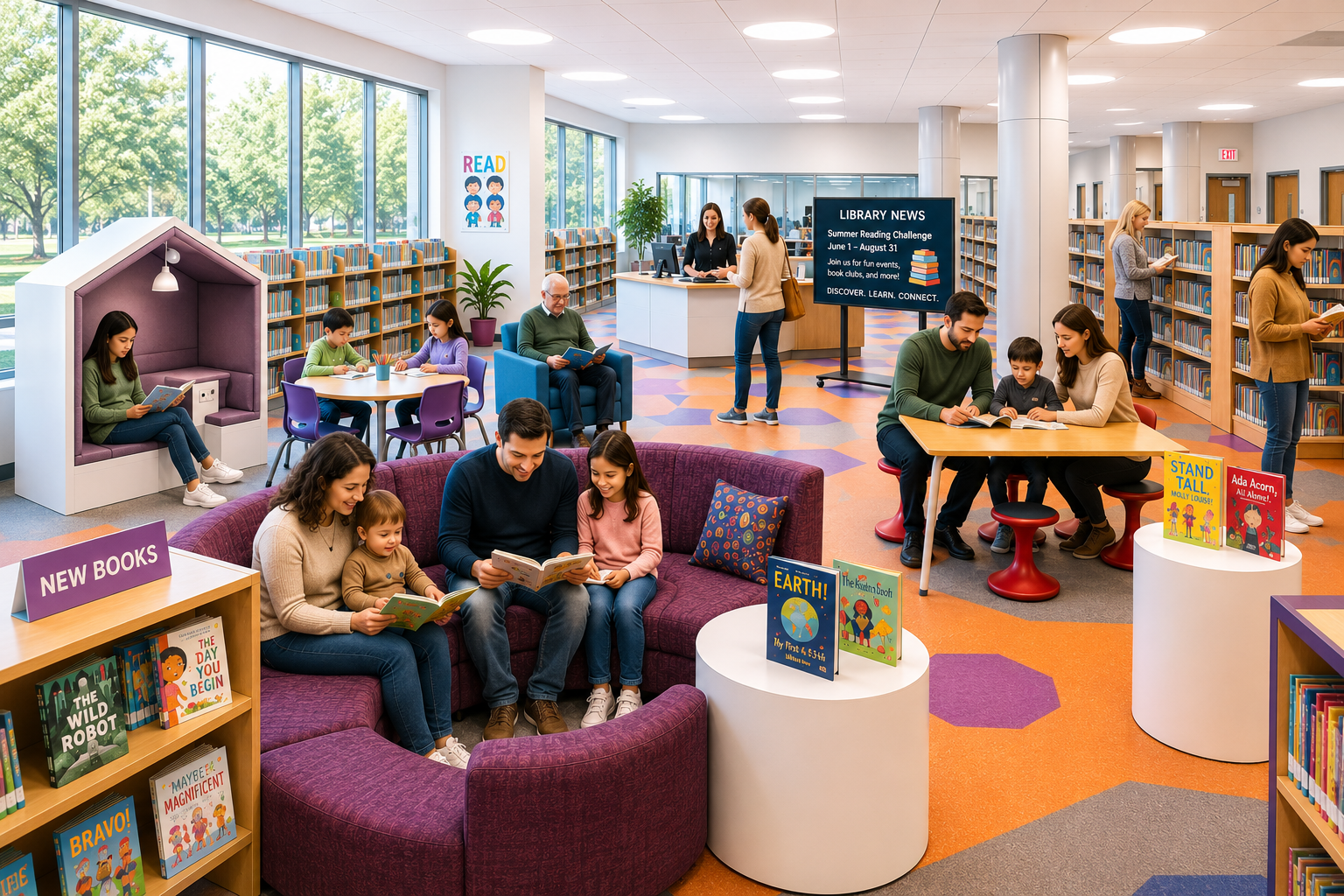
How Spatial Zoning and UDL Transform Inclusive Libraries
The traditional library model relied on monolithic silence, while modern open layouts often create chaotic, sensory-heavy environments. Neither serves today's learners. Discover how pairing spatial zoning with Universal Design for Learning (UDL) creates inclusive library designs that support neurodivergent patrons and maximize cognitive focus for all users.
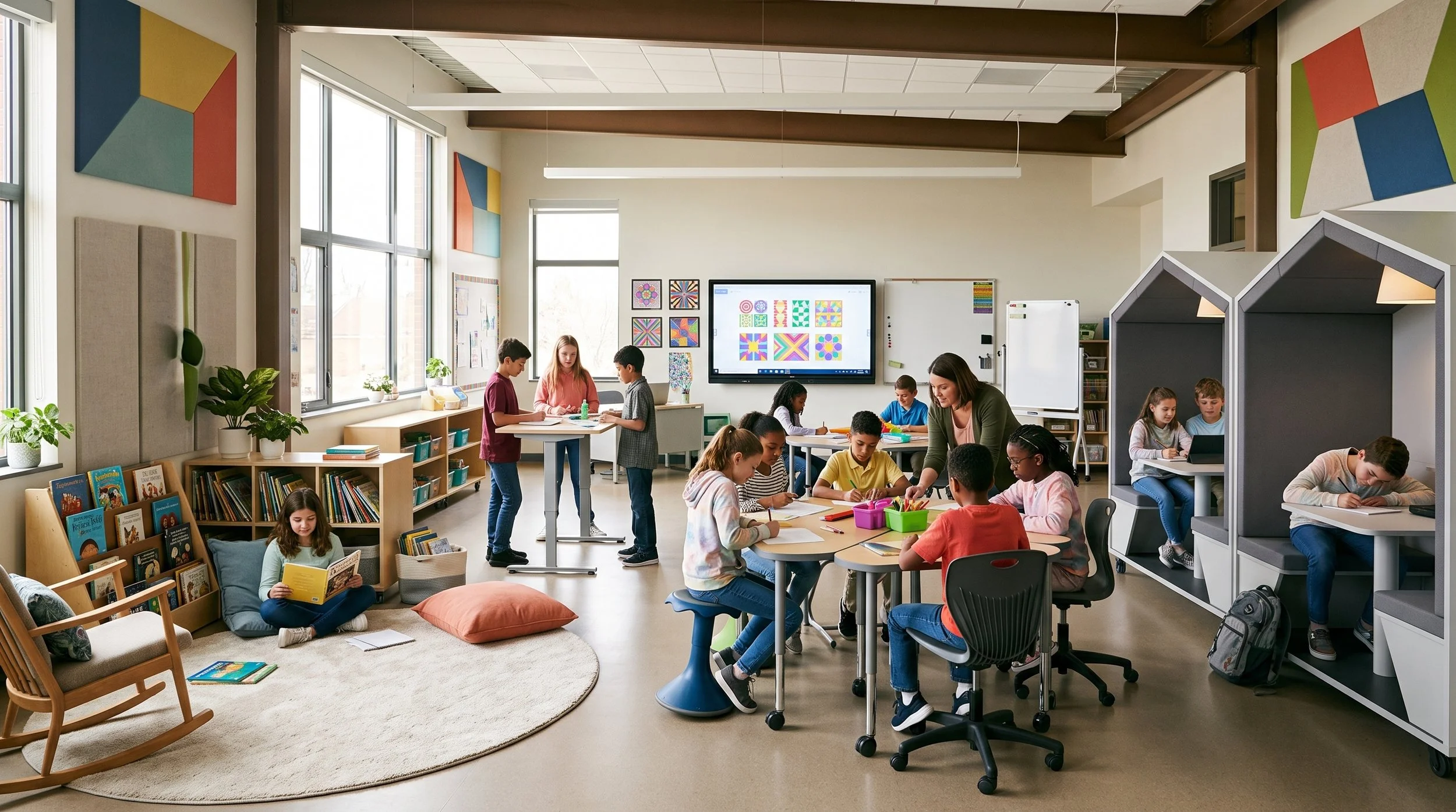
How Spatial Zoning and UDL Transform Classroom Performance
Traditional classroom design was built for uniformity. Modern learning science demands adaptability. When environments are rigid, students spend critical cognitive energy simply trying to regulate, pay attention, or sit still.
For school leaders, administrators, and educators, optimizing the physical learning environment isn't an interior design decision—it’s a high-leverage pedagogical strategy. Research in inclusive design proves that spatial zoning—structuring classrooms into distinct, purpose-driven areas with clear physical boundaries—is essential for supporting neurodivergent learners (including those with Autism, ADHD, or sensory processing differences) while elevating outcomes for neurotypical students alike.
By pairing spatial zoning with Universal Design for Learning (UDL), we remove physical barriers to learning, lower anxiety, and build environments where every brain can thrive.
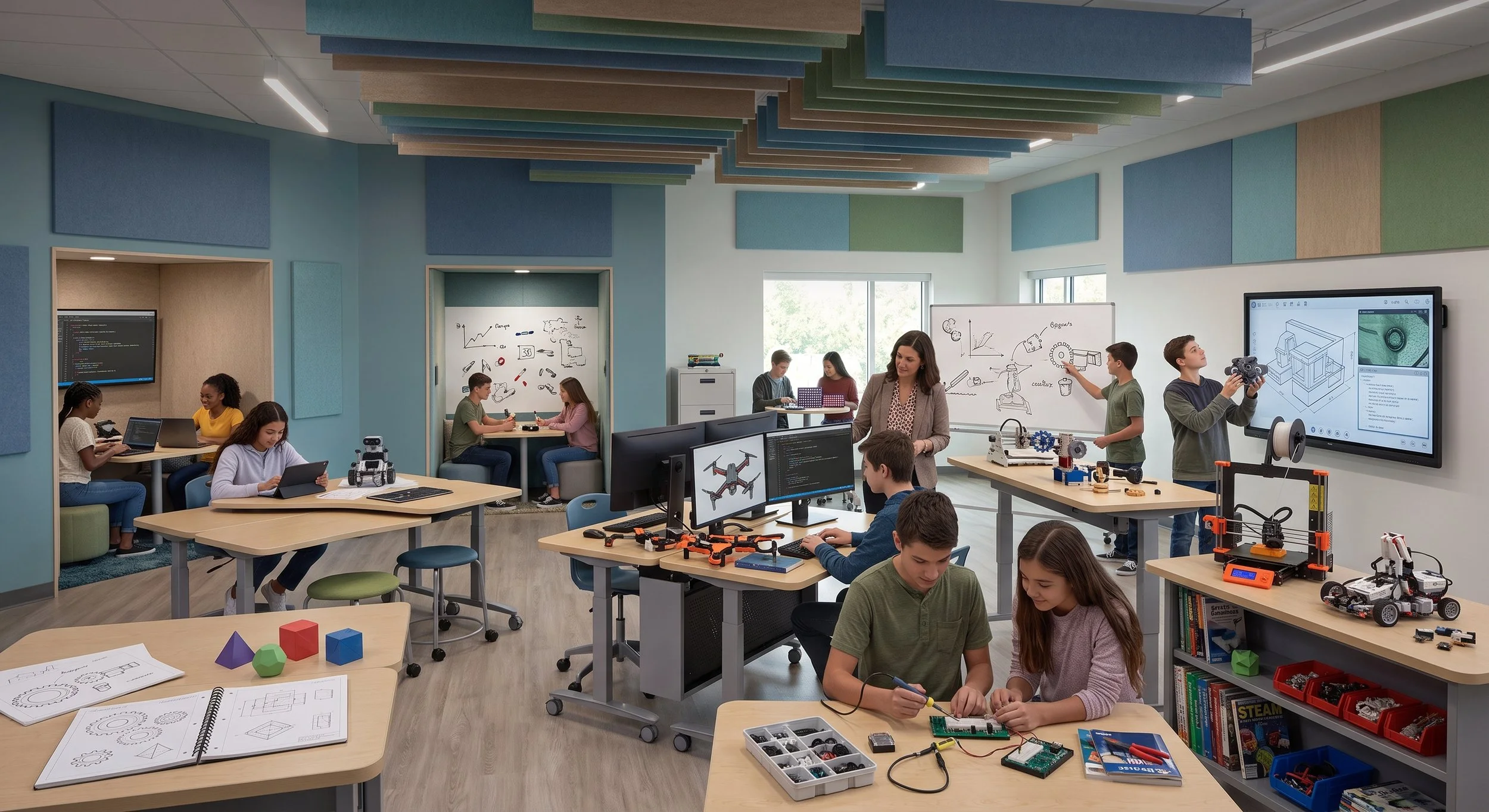
Why Neurodiversity and STEAM Design Belong Together for Future Innovators
Despite this natural aptitude, traditional STEAM rooms can inadvertently create overwhelming sensory friction. A typical lab with echoing hard surfaces, flickering fluorescent lights, cluttered wiring, and rigid high-stool seating forces neurodivergent students to spend valuable mental energy regulating their nervous system rather than focusing on the curriculum. When a space causes sensory overload or physical discomfort, student engagement drops. Creating true inclusion in STEAM requires moving beyond standard compliance and building environments tailored to human sensory and cognitive needs.
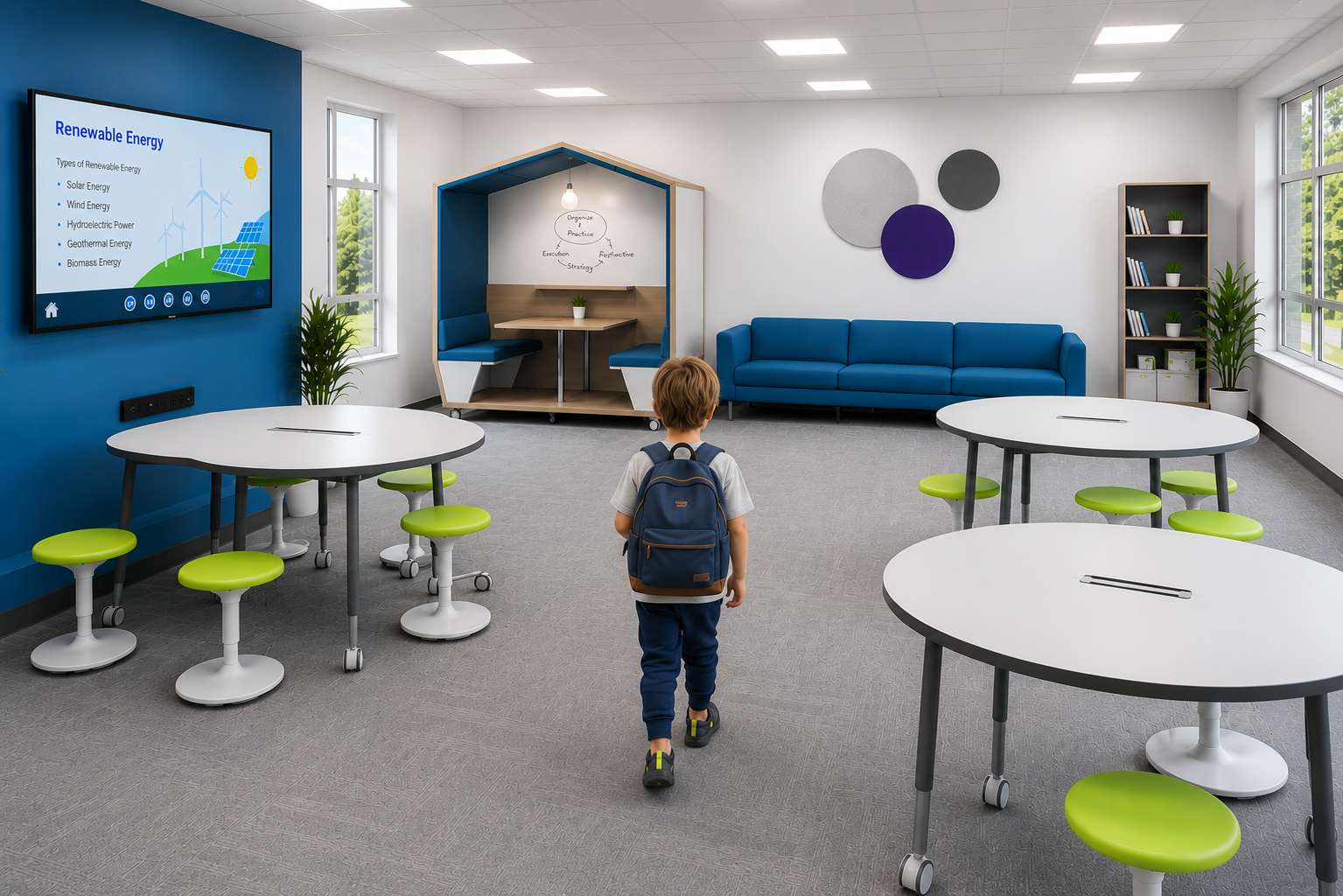
Designing for Minds, Not Trends: Why Neurodiversity Belongs at the Heart of K-12 Space Design
We don't design modern learning environments simply because agile furniture or wellness pods are popular this school year. We design them because spatial design directly influences human capability, and neurodiversity is the foundation of human learning. ... At Oxilium, we view inclusion as a design standard, not just a compliance checkbox. When a room forces a student with sensory or physical differences to sit away from their peers, it creates an unintentional social hierarchy.
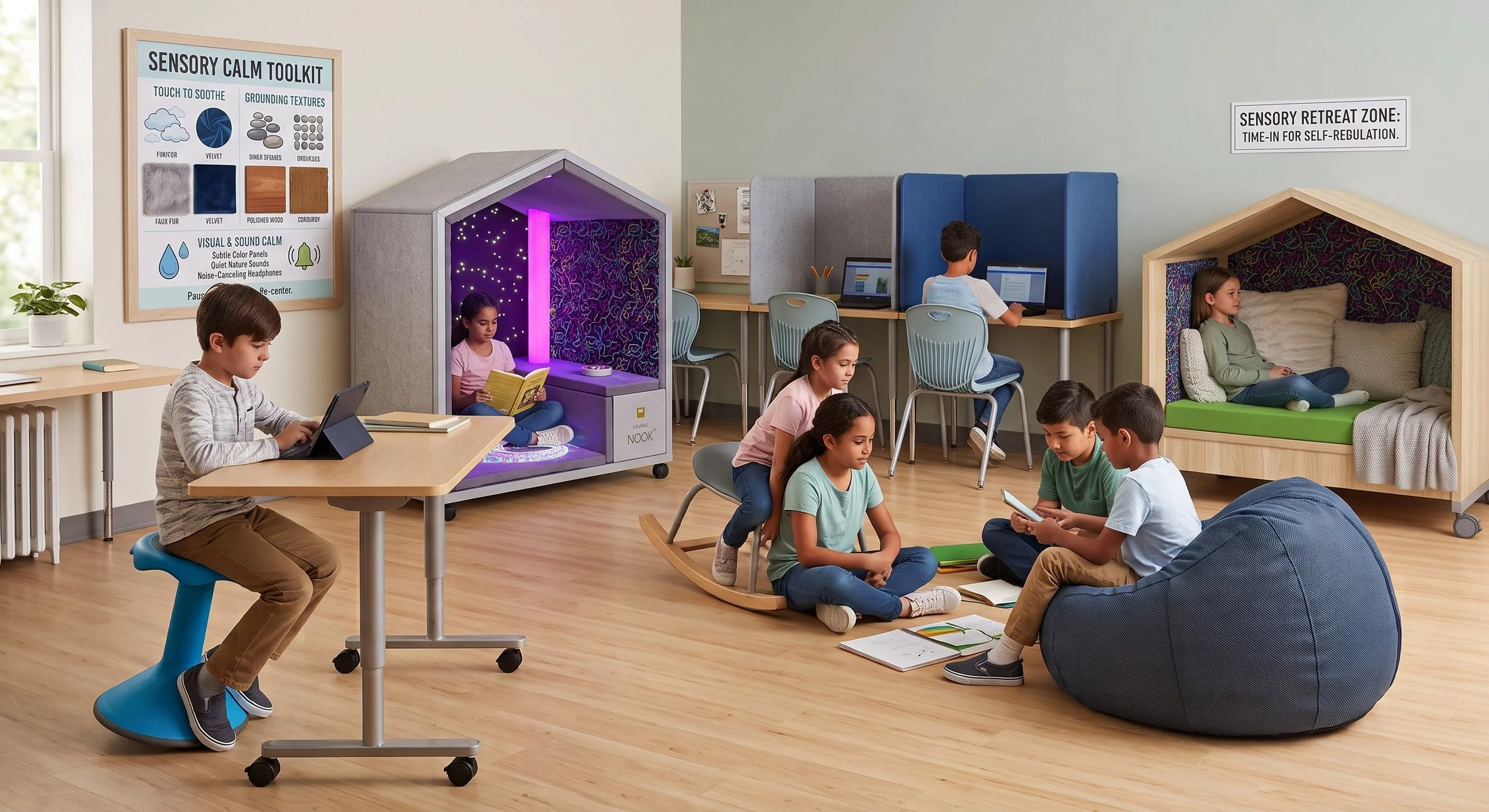
How Adaptable Furniture Supports Neurodiverse Students
When a classroom relies entirely on rigid seating, students are forced to suppress their natural physiological need for movement. They end up expending all of their cognitive energy and working memory just trying to sit still, leaving nothing in reserve to absorb the lesson. ... When we design classrooms that give students agency over their physical posture and their immediate sensory environment, we stop fighting their biology. Instead, we treat them as active, capable partners in their own education.
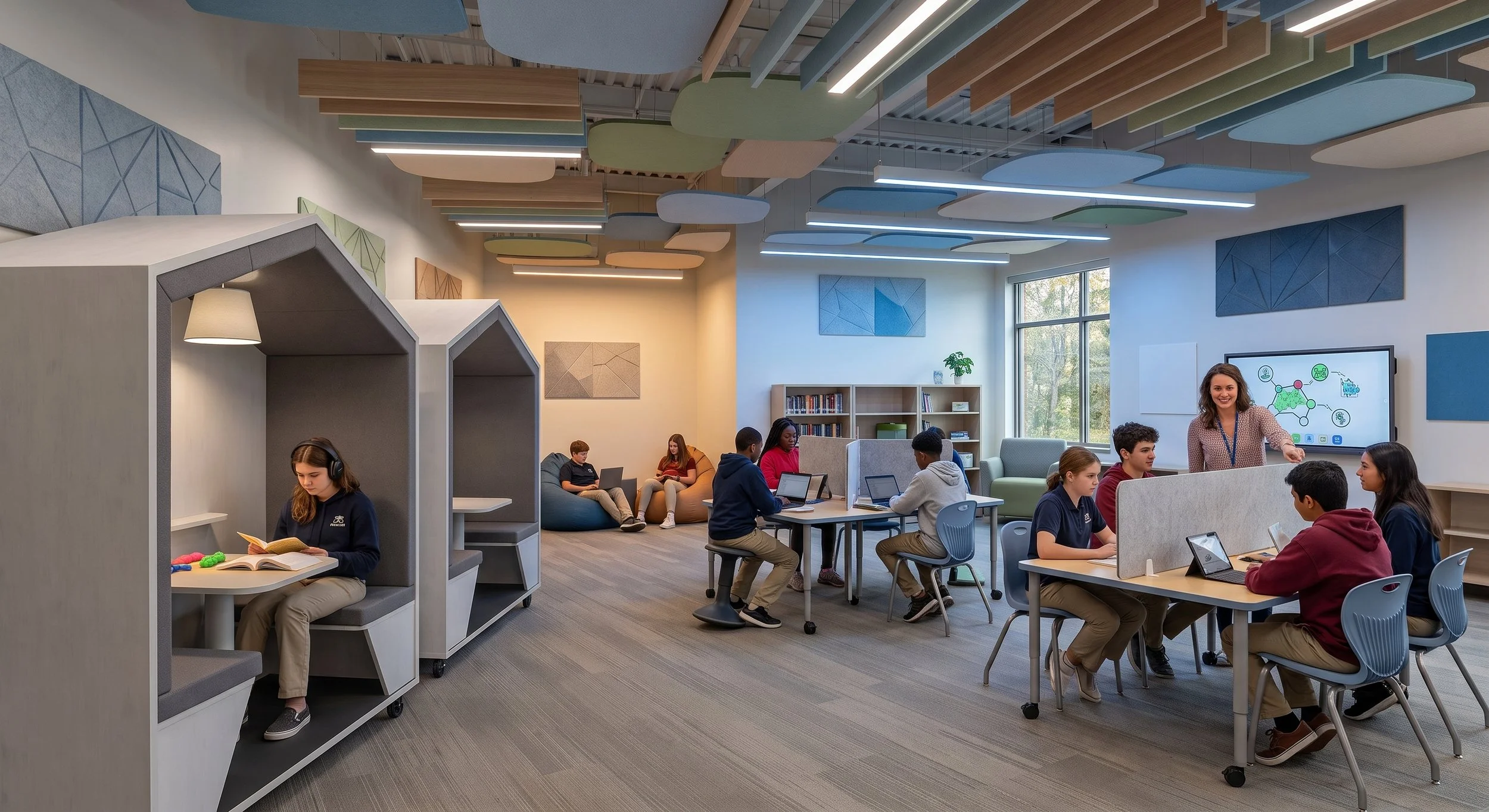
How Acoustic and Lighting Strategies Reduce Sensory Overload in Schools
A poorly designed physical environment creates massive extraneous cognitive load. When a student’s brain is forced to consciously and continuously process environmental 'noise'—both visual and auditory—they have significantly less cognitive bandwidth available for executive functioning, academic processing, and emotional regulation. ... By addressing the invisible infrastructure of sound and light, school district leadership, IT, and AV directors can systematically eliminate the structural sensory friction that derails the academic day.
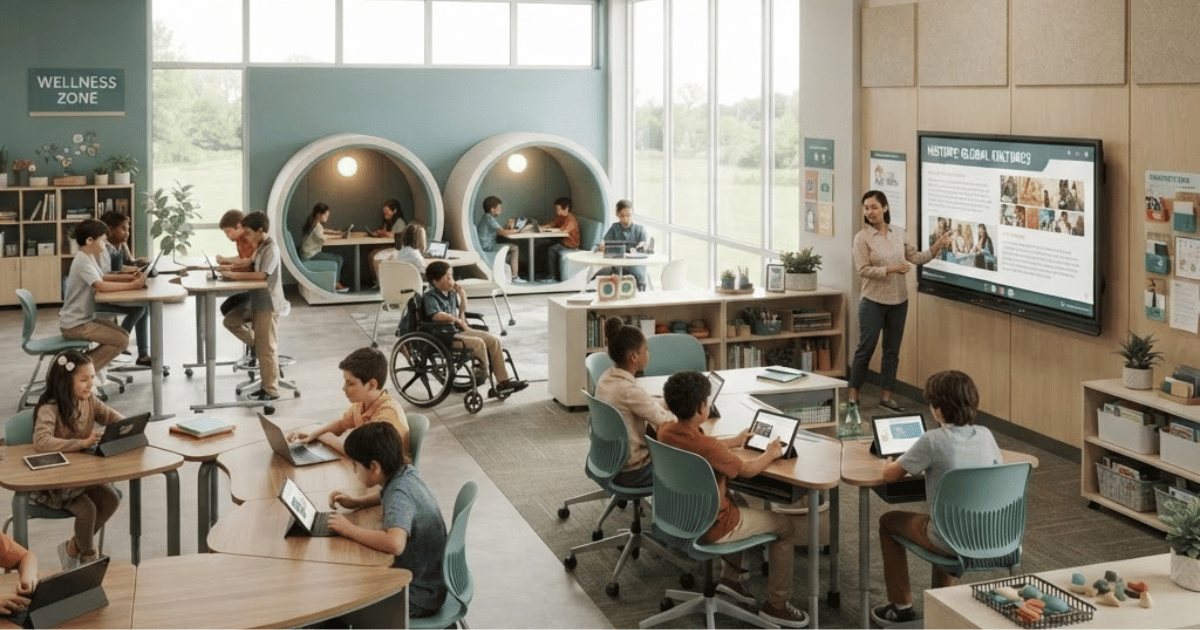
A School District’s Guide to Neurodiverse Classroom Design
District administrators, facility planners, and superintendents often view inclusive design as a niche requirement restricted to specific special education wings or self-contained classrooms. Structurally and financially, this is a costly misconception. The modern general education classroom must be a dynamic, multi-zone ecosystem. By abandoning the 'one-size-fits-all' layout in favor of High-Focus Zones, Active Learning Zones, and Sensory Reset Spaces, School Districts can see measurable, district-wide returns that easily justify the upfront investment. ... Designing for neurodiversity isn’t about isolation; it is about belonging by design. When physical spaces are responsive, adaptive, and intentionally designed, EVERY learner is given the infrastructure they need to thrive.
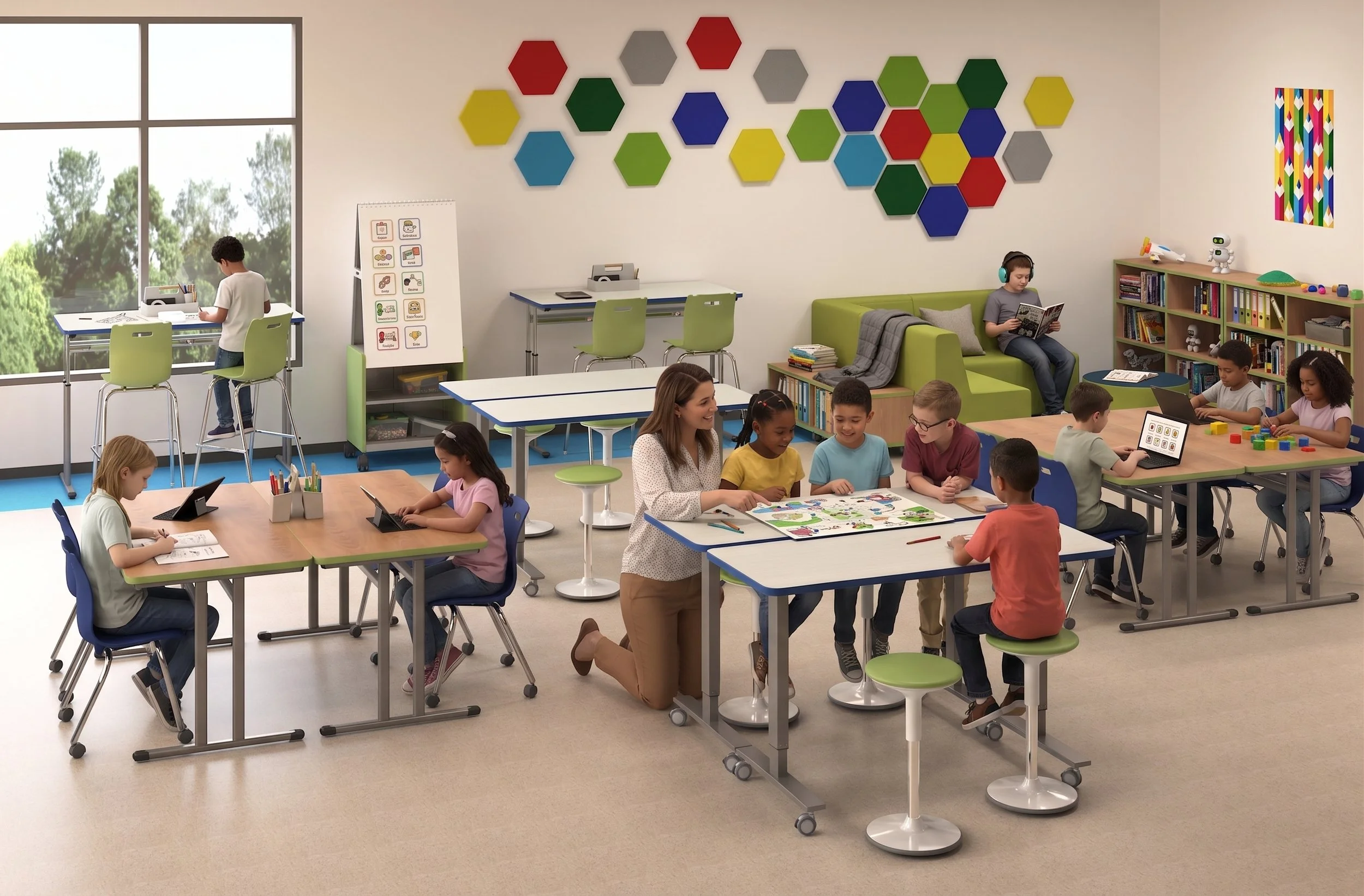
How to Design Inclusive School Environments
Design inclusive K-12 school environments with practical UDL strategies. Learn how to support neurodivergent learners through sensory-friendly classroom design.
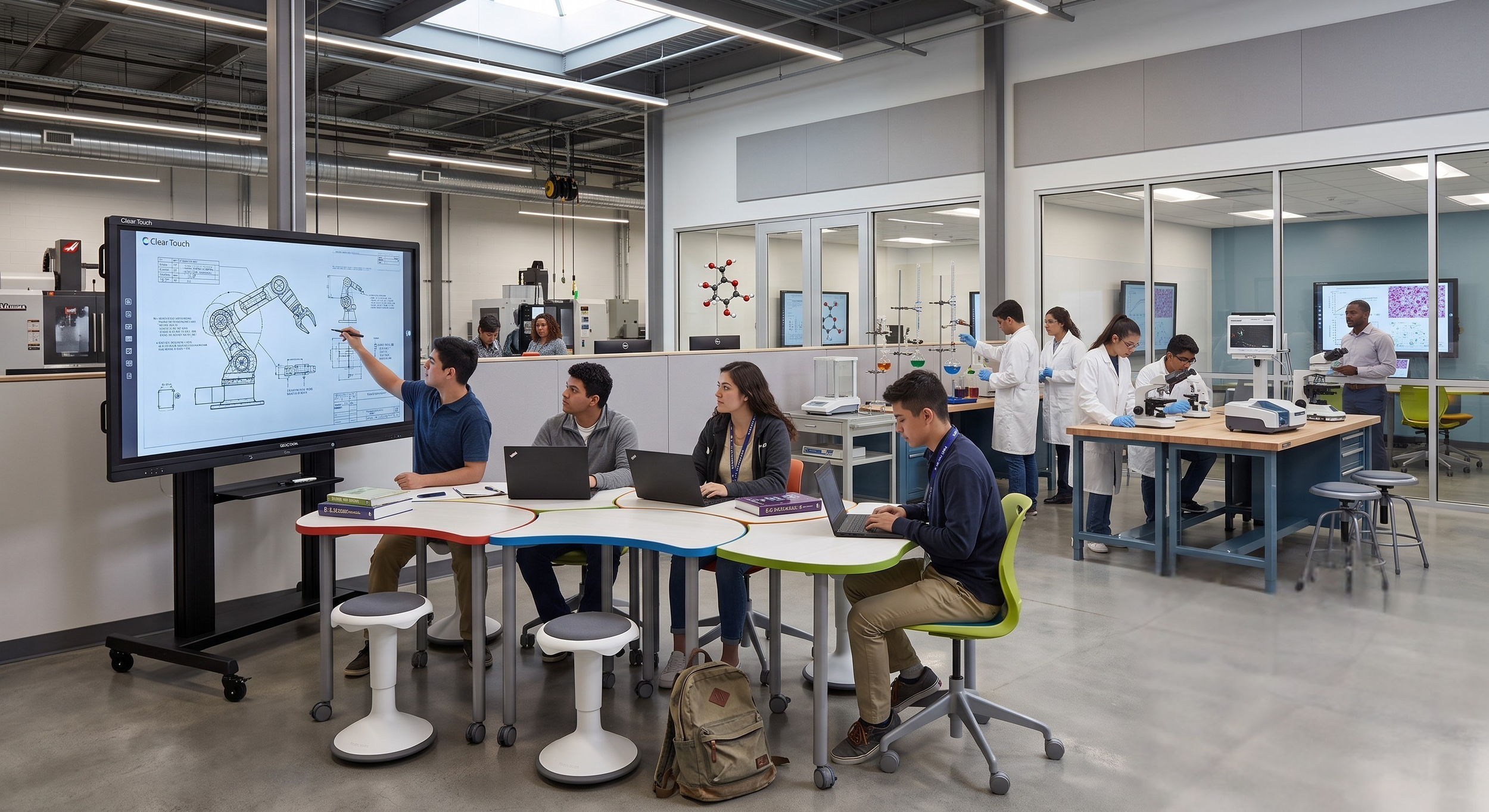
How Modern CTE and STEAM Spaces Prepare Students for High-Paying Trades
The definition of career readiness is shifting beneath our feet. As AI and automation reshape traditional white-collar entry roles, a powerful economic truth is emerging: the future belongs to those who build, create, and innovate in the physical world.
For parents, seeing a child graduate with a clear, high-paying, debt-free career path is the ultimate goal. For superintendents and school boards, delivering that outcome is the ultimate measure of district success. Bridging that gap starts with rethinking the physical spaces where career exploration happens.
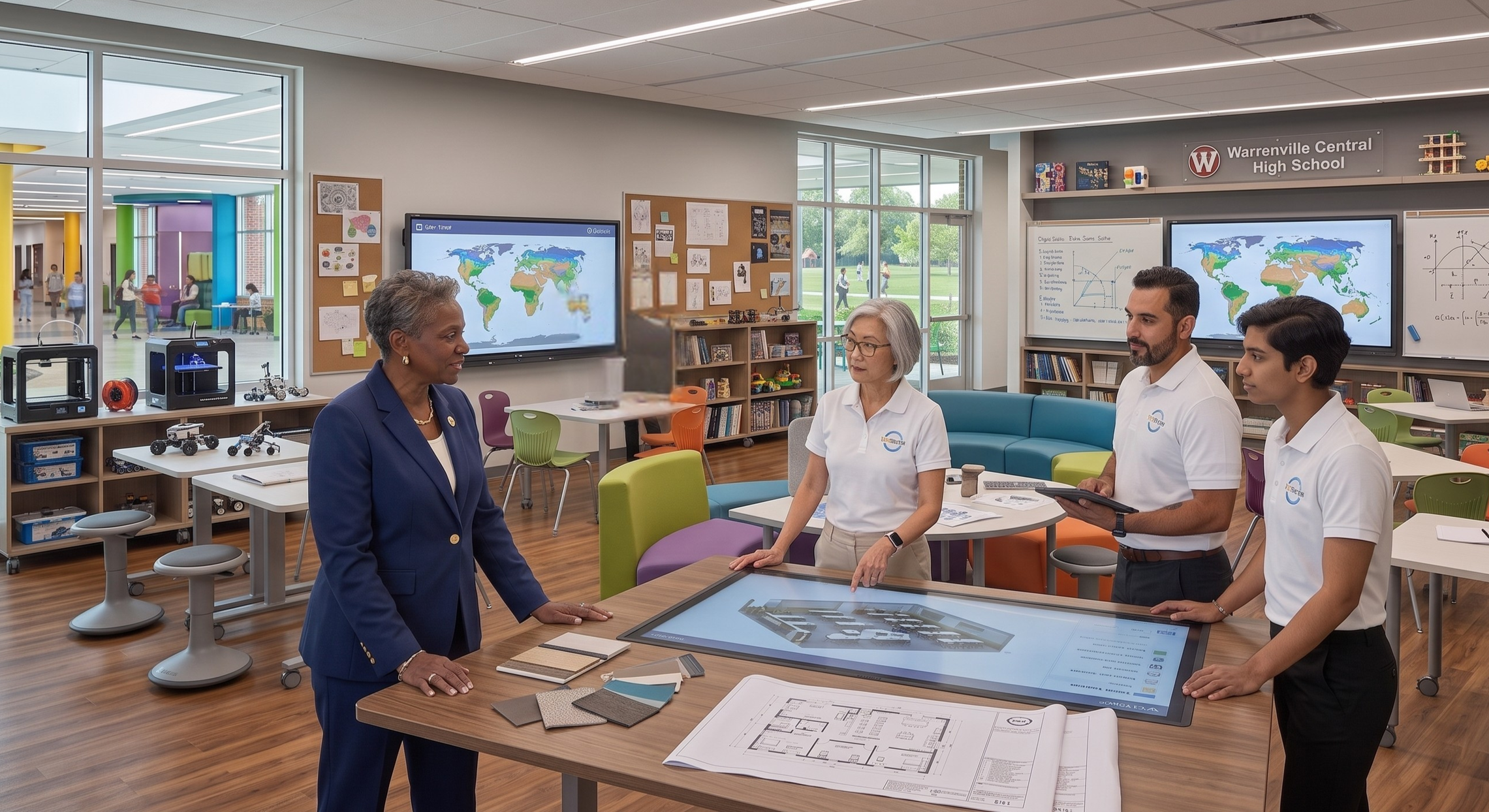
Balancing Personality and Calm in the Classroom
Step into almost any school in August, and you’ll see an incredible act of devotion. Teachers spend endless hours—and plenty of their own money—cutting out borders, laminating bright posters, hanging neon alphabet strips, and turning plain concrete walls into vibrant backdrops for the new school year.
We love celebrating teachers’ dedication to their craft. Personalizing a learning space builds community, makes a classroom feel warm, and shows students that their teacher cares. But as research into learning environments and cognitive ergonomics grows, an important question emerges: Can a classroom be too decorated?
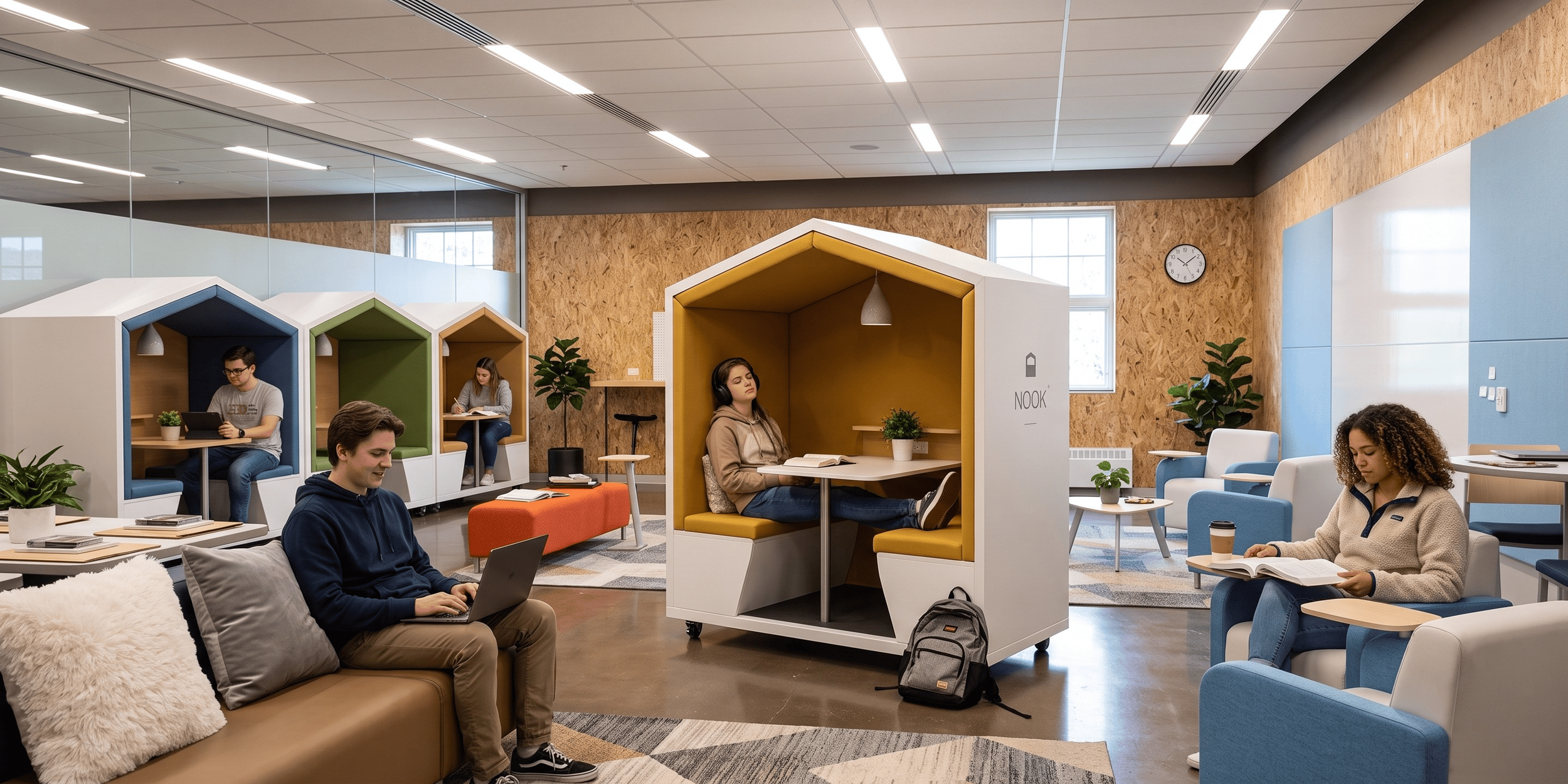
How School Wellness Spaces Support Your School Campus
The modern school day is fast-paced, high-energy, and frequently sensory-heavy. From bustling hallways and humming fluorescent lights to constant group interaction, standard educational environments demand continuous cognitive processing. While this energy fuels learning, it can also lead to sensory overload, fatigue, and burnout, particularly for neuro-intelligent students, neuro-atypical minds, and educators managing packed schedules.
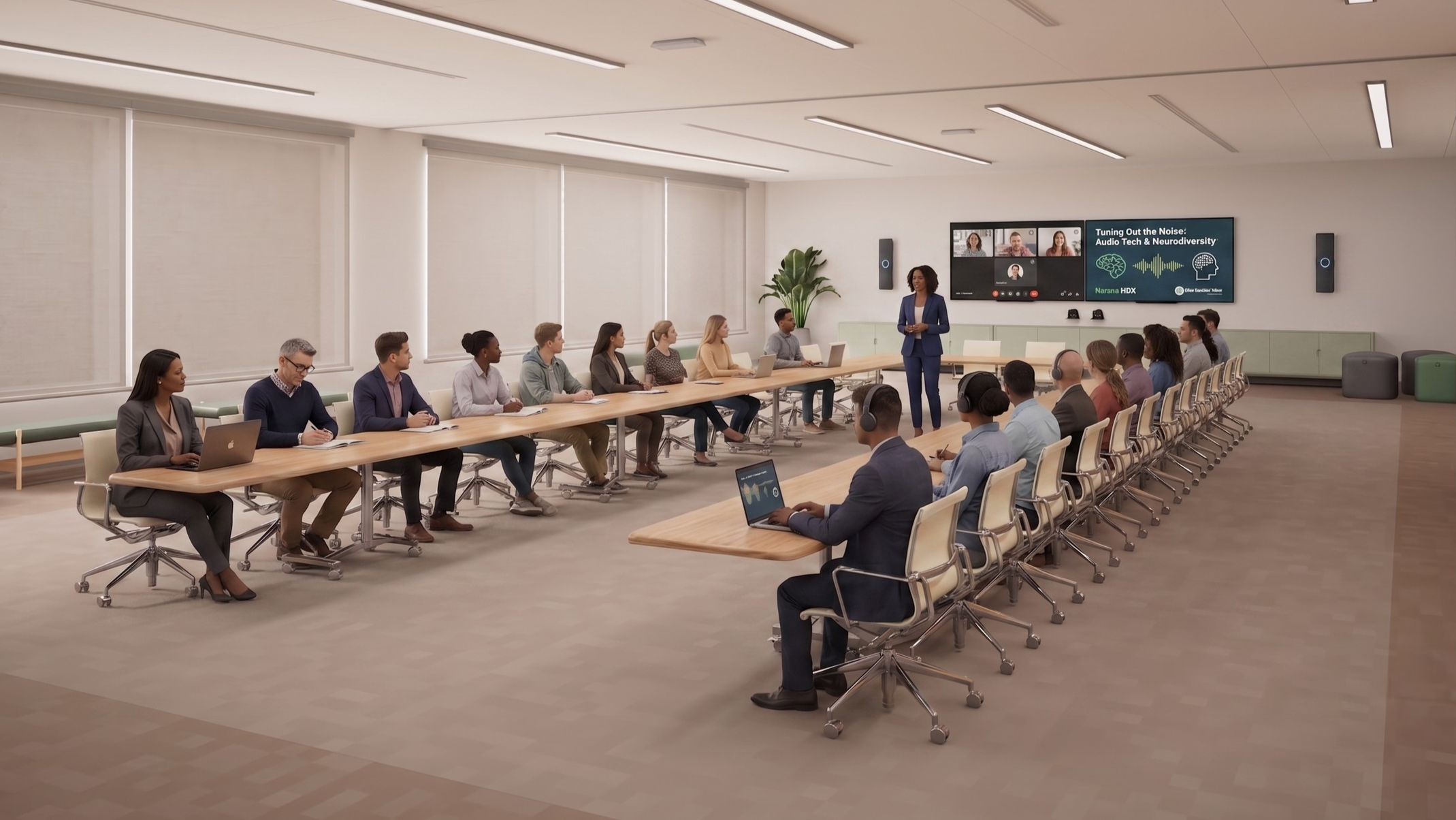
Tuning Out the Noise: Next-Gen Audio to Support Neurodiverse Minds in Meeting Rooms
Picture this: You are sitting in a crucial corporate presentation or a university seminar. The speaker is talking, but so is the HVAC system. Outside the glass wall, a colleague is laughing. To your left, someone is typing at lightning speed on a mechanical keyboard.
For many, these background noises are easily filtered out by the brain's automatic volume knob. But for neurodiverse individuals—including those with ADHD, Autism, Dyslexia, or Sensory Processing Sensitivity—a meeting room isn't just a room. It is a chaotic, overwhelming wall of sound.
Creating truly inclusive spaces means understanding how neuro-intelligent minds process information and leveraging modern audio technology to clear the cognitive static.
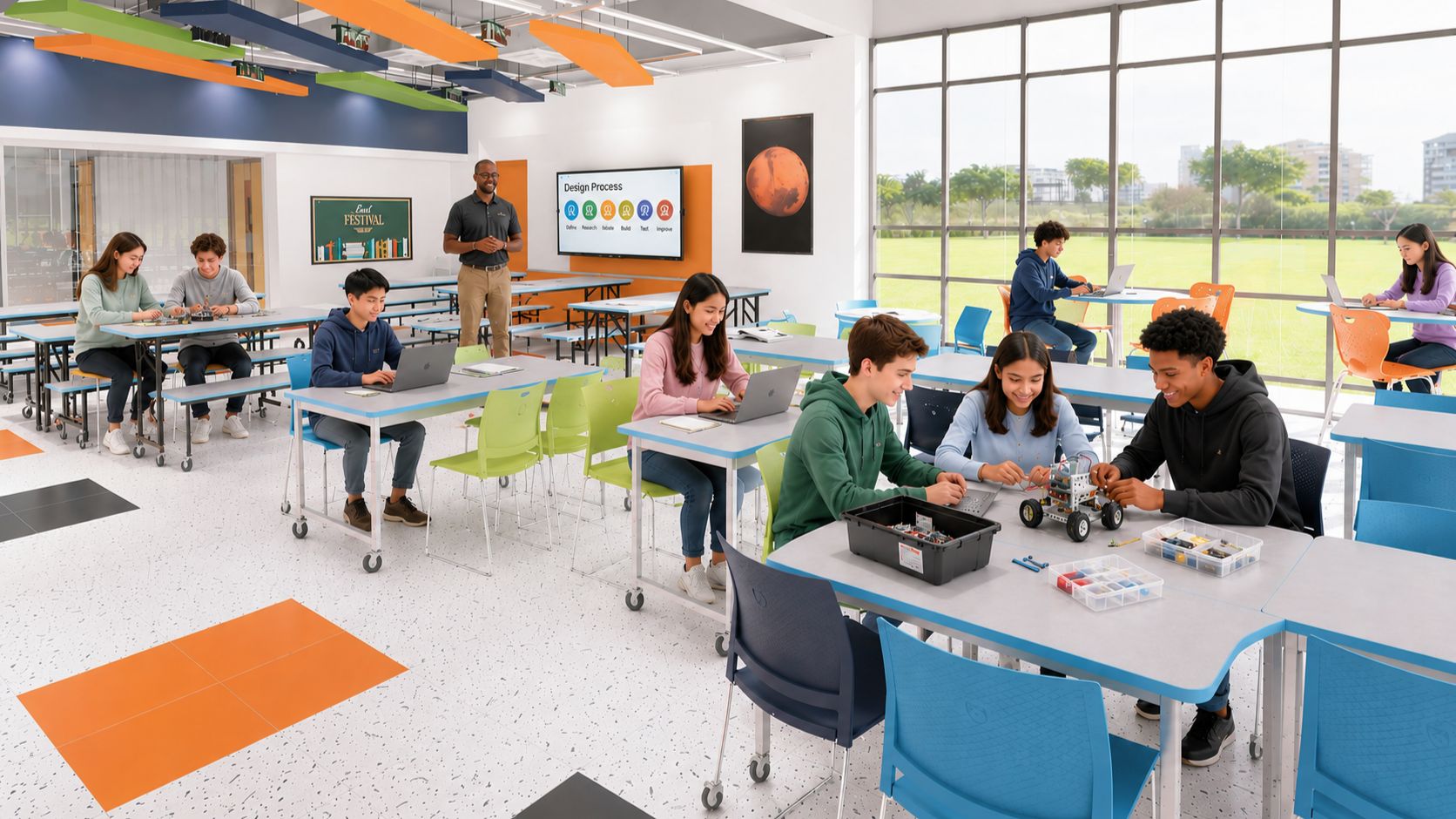
Dynamic Classroom Logistics: How Mobile Infrastructure Unlocks Differentiated Learning
Modern pedagogy heavily emphasizes flexibility, project-based learning, and student collaboration. However, a significant physical barrier often stands in the way of these instructional goals: the static classroom layout. If a classroom's physical tools, technology, and power lines are permanently anchored to fixed perimeter walls, the environment remains stuck in a traditional, industrialized setup that favors compliance over collaboration.
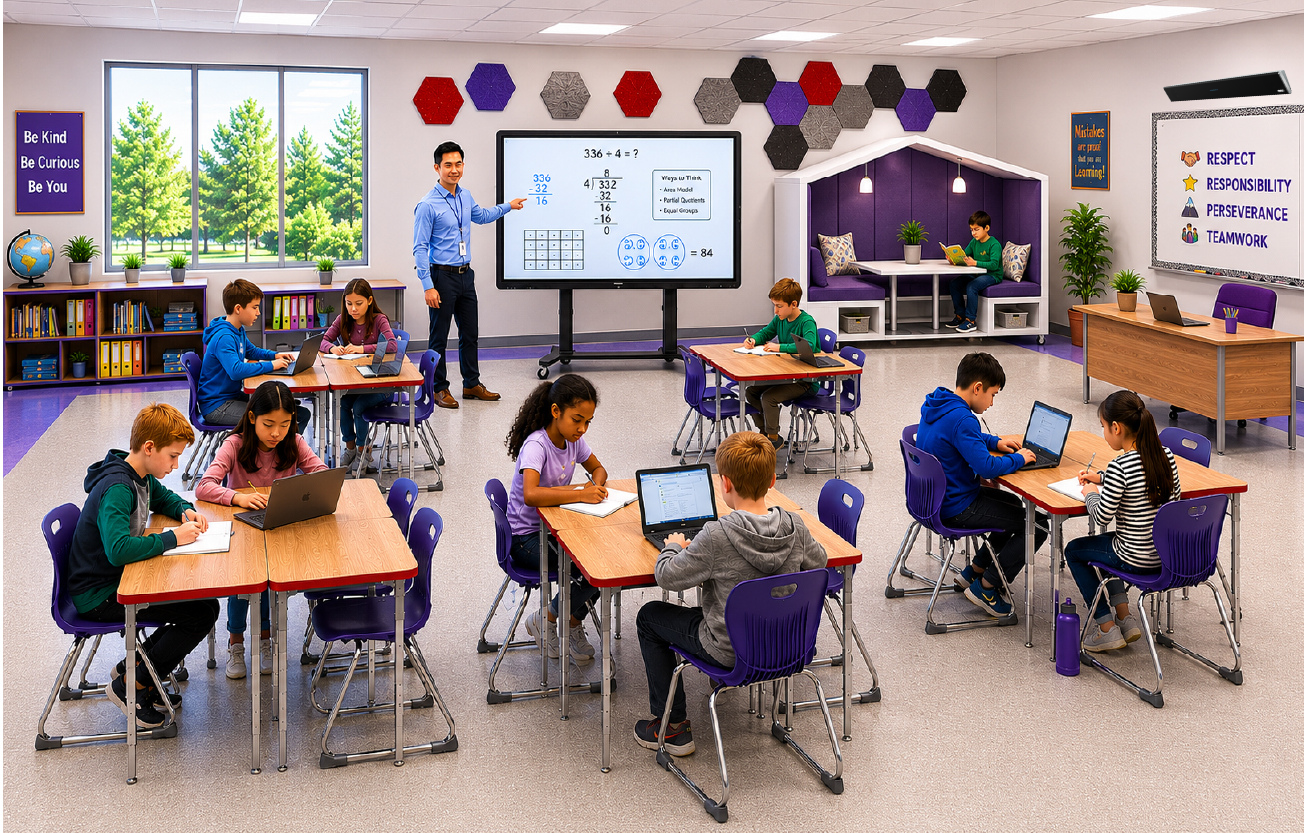
Reducing Cognitive Fatigue: Designing the K-12 Space for Neurodiversity
When discussing accessibility in education, the conversation usually focuses on software accommodations—screen readers, text-to-speech tools, or closed captioning. However, for neurodivergent students, the physical hardware and audio-visual (AV) architecture of the classroom can often be a more immediate and systemic barrier to learning.
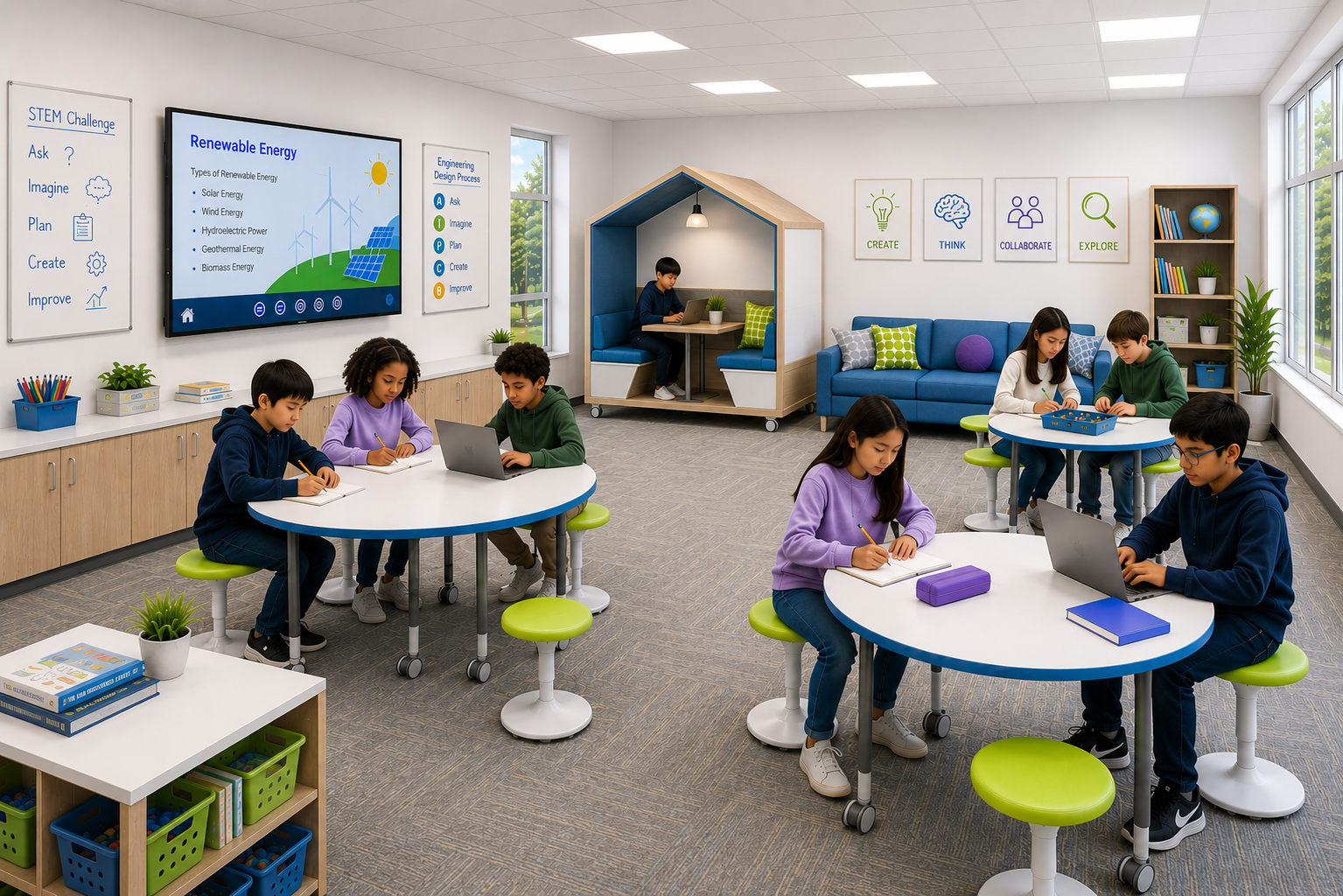
Beyond the Legacy: Designing Neuro-Inclusive Spaces
Many of us grew up in traditional learning and work environments with standard desks, rigid layouts, and basic tools—and we made it work! But just as technology and science have leaped forward, so has our understanding of human potential. Today, we have the incredible opportunity to move beyond spaces that are just 'good enough' and start intentionally designing environments where every unique mind can truly thrive.

