
How School Wellness Spaces Support Your School Campus
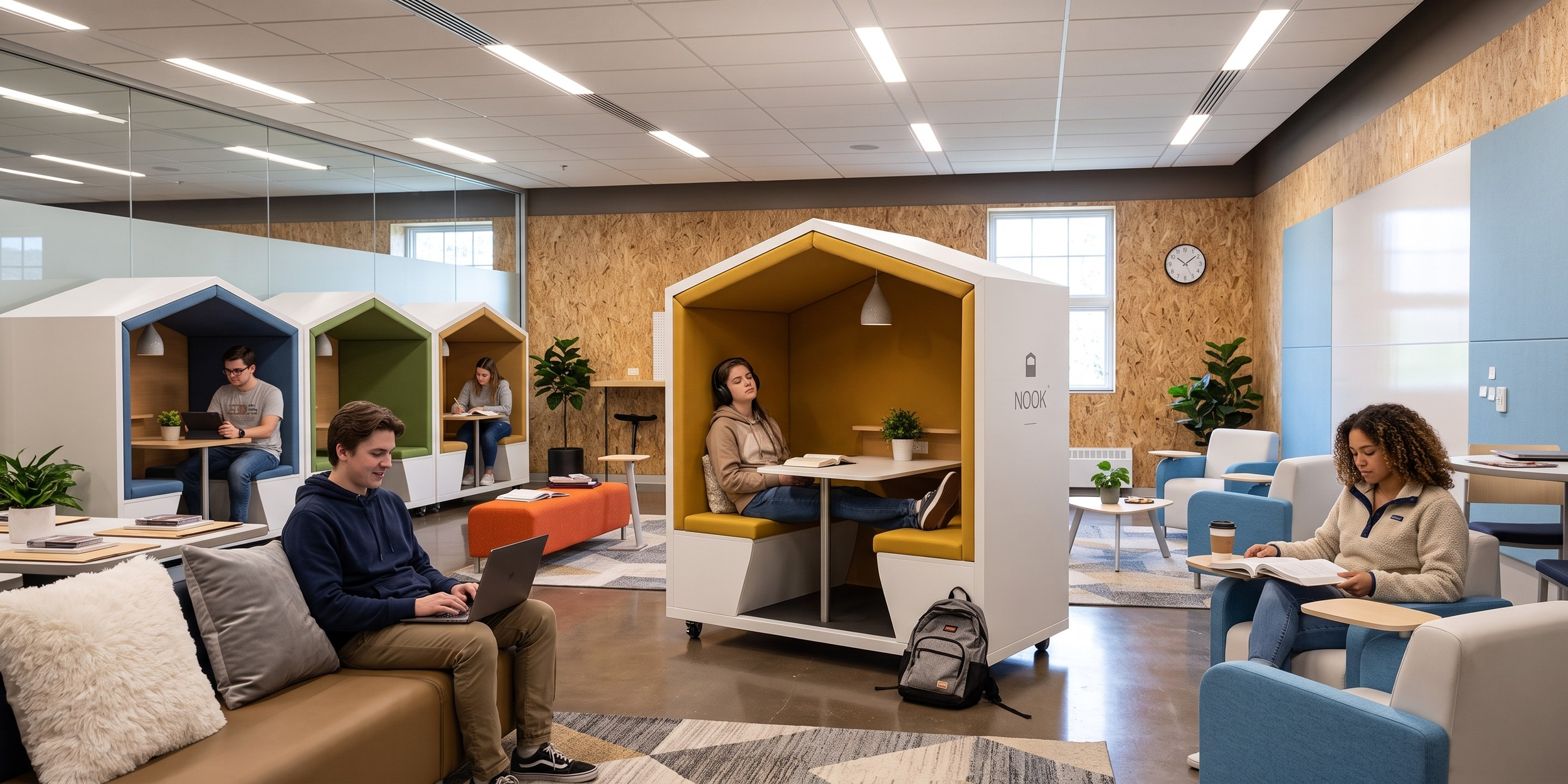
The modern school day is fast-paced, high-energy, and frequently sensory-heavy. From bustling hallways and humming fluorescent lights to constant group interaction, standard educational environments demand continuous cognitive processing. While this energy fuels learning, it can also lead to sensory overload, fatigue, and burnout, particularly for neuro-intelligent students, neuro-atypical minds, and educators managing packed schedules.
To create truly inclusive learning environments, schools are increasingly investing in dedicated wellness spaces. These purpose-built sanctuaries give students and staff a place to decompress, self-regulate, and regain focus.
Here is a look at why these spaces matter and the key solutions required to build an effective school wellness space.
The Power of the "Reset" in Education
Neuro-intelligent individuals, including those with autism, ADHD, anxiety, or sensory processing differences, often process environmental stimuli differently. When noise and activity accumulate without a break, the brain enters a state of fight-or-flight, making concentration and emotional regulation nearly impossible.
A dedicated wellness space offers spatial agency: the power for a student or teacher to step away, lower their sensory intake, and reset before returning to their day.
Key Takeaway: A wellness space isn't an escape or a reward; it is an essential accommodation that empowers atypical minds to thrive in mainstream educational settings.
4 Essential Solutions for School Wellness Spaces
Designing an effective wellness space requires moving beyond just putting a few beanbags in a quiet corner. It demands intentionality, sensory management, and adaptable physical design.
1. Acoustic Privacy and Micro-Environments: Nook Pods
Open rooms can still feel overwhelming if there is no sense of personal enclosure. Integrating modular micro-environments, like Nook Pods, gives users a cozy, low-stimulation sanctuary within the larger space.
Instant Acoustic Relief: Nook Pods attenuate ambient sound, offering a quiet retreat from classroom chatter or hallway noise.
Psychological Safety: The semi-enclosed structure provides a feeling of shelter and security, helping students decompress without feeling isolated.
Multi-Use Versatility: Whether a student needs 10 minutes of quiet solitude or a small group needs a calm nook for guided support, these pods adapt smoothly to different needs.
Accredited Autism Support: The Nook Sensory Pod
To go a step further in supporting neuro-intelligent learners, the specialized Sensory Nook Pod has been officially recognized as a Certified Autism Resource by the IBCCES (International Board of Credentialing and Continuing Education Standards).
Designed specifically to support sensory integration and emotional regulation, the Nook Sensory Pod features:
Controllable Sensory Lighting: Dimmable color-wash LED lighting that allows students to adjust the ambiance to soothe anxiety or increase focus.
Tactile and Haptic Integration: Optional subtle vibration seat pads and tactile panels that provide calming sensory feedback to help students ground themselves and de-escalate stress.
Evidence-Based Inclusion: Certified design features that help prevent meltdowns, reduce challenging behaviors, and lower exclusion rates in mainstream educational settings.
2. Dimmable, Circadian Lighting
Harsh fluorescent lighting is one of the most common sensory triggers in schools, causing headaches, eye strain, and heightened anxiety for sensory-sensitive individuals.
Warm, Dimmable Fixtures: Swap bright overhead lighting for dimmable LEDs, floor lamps, or warm ambient task lighting.
Circadian Rhythm Support: Adjustable color temperatures (cool light for alertness, warm light for relaxation) help guide the nervous system into a calm state.
Natural Light Maximization: Position quiet zones near windows with light-filtering shades to keep a connection to the outdoors without glare.
3. Integrated, Intentional Technology
Technology in a wellness space should serve as a calming tool rather than a distraction.
Audio and Guided Relaxation: Provide stations with noise-canceling headphones connected to white noise generators, nature soundscapes, or guided breathing apps.
Interactive Focus Panels: Tactile or visual interactive panels give fidget-prone minds a structured, low-stress outlet to channel energy.
Seamless Power Access: Built-in charging ports inside pods and seating areas ensure staff can plug in devices while taking a mental break or doing quiet administrative work.
4. Adaptive, Ergonomic Furniture
A neuro-intelligent mind often responds best when the body is comfortable and supported. Standard rigid classroom chairs don't cut it in a wellness room.
Sensory Seating: Incorporate rocking chairs, wobble stools, or deep-seat lounge chairs that offer subtle movement or deep pressure input.
Weighted and Tactile Accessories: Keep weighted blankets, lap pads, and sensory fidgets accessible to aid physical grounding.
ADA-Accessible Layouts: Ensure furniture placement leaves clear pathways so the wellness space is welcoming and navigable for everyone, regardless of physical ability.
Supporting Staff Wellbeing
While student needs are top of mind, educators and support staff experience high rates of cognitive fatigue and stress. Providing staff access to these quiet, sensory-managed environments during prep periods or breaks helps reduce burnout, improves retention, and fosters a healthier overall school culture.
Building Spaces Where Every Brain Belongs
Inclusion isn't just about placing every student in the same room; it's about providing the right tools and spaces so everyone can succeed. By pairing accredited sensory solutions like the IBCCES-certified Nook Pods with thoughtful lighting, smart technology, and ergonomic furniture, schools can turn underutilized spaces into life-changing wellness sanctuaries for neuro-intelligent minds and the entire school community.