
Balancing Personality and Calm in the Classroom
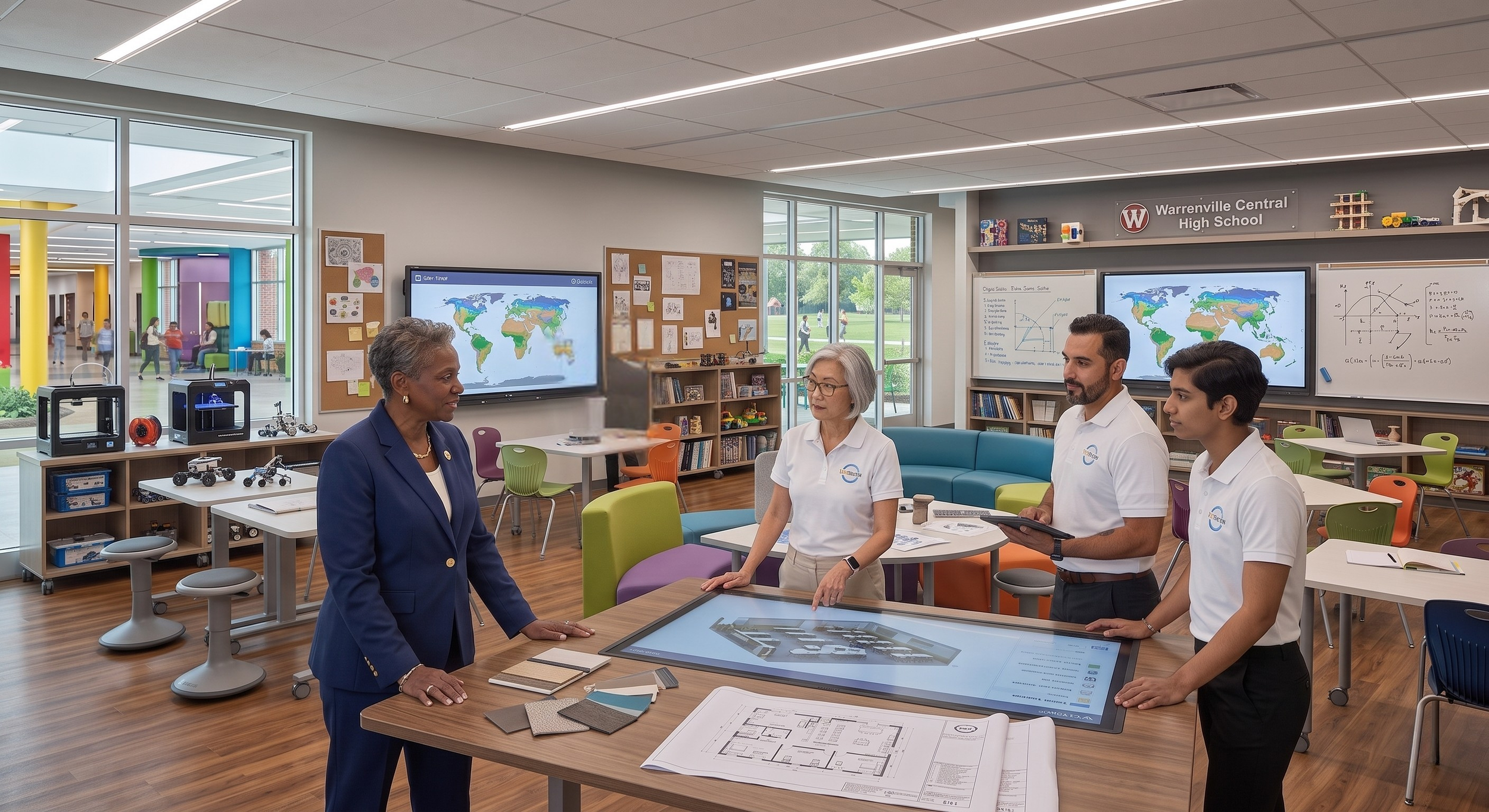
Step into almost any school in August, and you’ll see an incredible act of devotion. Teachers spend endless hours—and plenty of their own money—cutting out borders, laminating bright posters, hanging neon alphabet strips, and turning plain concrete walls into vibrant backdrops for the new school year.
We love celebrating teachers’ dedication to their craft. Personalizing a learning space builds community, makes a classroom feel warm, and shows students that their teacher cares. But as research into learning environments and cognitive ergonomics grows, an important question emerges: Can a classroom be too decorated?
The short answer is yes. While intent matters, an overly "loud" visual environment can inadvertently turn a space meant for focus into a source of chronic friction—especially for neurodivergent minds.
Here’s a look at why teacher personalization matters, where the line between warm and overwhelming lies, and how designing for neuro-intelligence creates a better space for everyone.
The Power of Personalization: Why Teacher Voice Matters
A classroom shouldn’t feel like a sterile office or an interrogation room. When teachers infuse their spaces with personal touches—a cozy reading nook, posters featuring favorite books, family photos on a desk, or curated student work—it humanizes the learning environment.
Teacher personalization does a few key things:
Establishes Safety and Belonging: Warm colors, soft touches, and deliberate design signal to students that they are in a safe, welcoming place designed by someone who cares about them.
Reflects Classroom Culture: Wall space used to display shared goals, class ground rules, or ongoing projects helps students take ownership of their shared environment.
Builds Relationships: A teacher’s subtle personal touches give students points of connection, sparking conversations that build trust.
Personalization isn’t the problem. The challenge arises when visual quantity outweighs intentionality.
When Visuals Become Noise: The Cost of "Loud" Decor
Every piece of paper, bright poster, or hanging tassel printed in high-contrast primary colors competes for a student's working memory.
Think of visual space like audio volume. A quiet background melody helps you concentrate; three different tracks playing simultaneously at full volume make it impossible to think. High visual density on classroom walls acts like continuous visual static.
When every square inch of wall space is covered with commercial posters, hanging paper lanterns, busy borders, and dense anchor charts, the brain has to work twice as hard just to filter out the background to focus on the teacher or the task at hand.
The result?
Faster cognitive fatigue
Reduced attention spans
Increased restlessness and off-task behavior
Higher stress levels for both students and educators
Designing for Neuro-Intelligent Minds
To understand why loud decor causes friction, we have to look through the lens of neuro-intelligence and sensory processing.
Our classrooms host a rich spectrum of minds: neurotypical students, as well as neurodivergent learners—including those with ADHD, Autism, Dyslexia, and Sensory Processing Differences. For neurodivergent students, the brain’s sensory filtering system (the mechanism that decides which stimuli to ignore and which to pay attention to) operates differently.
1. Sensory Overload and Cognitive Drag
For a student with ADHD or sensory sensitivities, a wall covered in bright neon colors, busy checkerboard patterns, or dozens of competing fonts isn’t just background decoration—it demands active mental effort to ignore. This constant background stimulus leads to sensory overload. When a student's brain uses all its energy just to process environmental input, there’s little bandwidth left for learning, reading, or emotional regulation.
2. Visual "Figure-Ground" Processing Issues
Many neurodivergent minds struggle with figure-ground perception—the ability to visually isolate a specific item from its background. If an important visual aid or instructional schedule is buried amid ten other decorative posters, the student may literally be unable to process the information they need.
3. Anxiety and Dysregulation
Visual clutter combined with harsh lighting can trigger physical discomfort—eye strain, headaches, and heightened anxiety. When the nervous system senses chaos, it shifts toward a fight-or-flight response, making calm focus nearly impossible.
Striking the Balance: The Low-Sensory, High-Warmth Classroom
Creating a sensory-friendly, neuro-inclusive classroom doesn't mean stripping the room down to bare walls. It’s about purposeful design.
Here are a few actionable ways to balance warmth and personality with sensory calm:
Embrace "Negative Space": Aim to keep 20% to 50% of wall space completely clear. Uncluttered walls act as visual "breathing room" for the brain.
Shift to Muted Palettes: Swap out harsh, saturated primary colors (bright reds and neon yellows) for calm, natural tones—pastel blues, soft greens, sage, or warm neutrals. These tones support emotional regulation while still keeping the room inviting.
Keep the Front Wall Clean: Keep the "teaching zone"—the wall directly behind or around the main board—free from decorative clutter. Reserve wall space elsewhere for rotating student work or key reference charts.
Consolidate and Zone: Group operational tools (like visual daily schedules, job charts, and emotion check-in boards) together in distinct zones rather than scattering them across the room.
Use Fabrics to Soften Clutter: Open shelving filled with bins, supplies, and books creates visual chaos. Simple, solid-colored curtains over open storage can instantly lower the visual volume of a room.
Less Noise, More Connection
When we design spaces with the most sensory-sensitive minds in mind, every student benefits. A calm visual environment doesn't erase a teacher’s personality—it creates a clear stage for their teaching to shine and gives students the mental room they need to thrive.Next time you step into your learning space, take a pause and look around at eye level. Ask yourself: Is this wall helping my students focus, or is it asking them to tune out the room? A few small shifts in visual balance can make all the difference.